
CRAYFORD COLLECTIONS
Rubbish Removal in Crayford
We arrange collection of agreed furniture and household rubbish from Crayford addresses. A room can contribute a few large pieces and many smaller belongings, so we describe both parts of the load before discussing removal. The team connects the materials and approximate amount with the work at the property, then explains the quote and confirms an available visit with the person arranging access.

Crayford collections, explained.
Can furniture and loose room contents be collected together?
The enquiry can include both, with bulky pieces named individually and smaller belongings grouped by their main contents and approximate amount. We distinguish possessions being retained and identify separate waste categories before acceptance. The team then discusses the carrying and loading for the complete selection rather than assume that a furniture count explains everything leaving the room.
What makes a Crayford household collection description complete?
Explain the furniture pieces, main contents of containers, loose belongings and each collection location. Photographs can show the overall amount, while the description clarifies material hidden from view. We also discuss the floor and route to loading, so the quote and available visit relate to the proposed load and work rather than only the room’s name.
The contents included in your Crayford enquiry.
| Part of the room selection | Information established for collection | What is distinguished from it |
|---|---|---|
| Large furniture | Named pieces, approximate dimensions and current assembly. | Other room furniture is not included simply because it stands beside the unwanted pieces. |
| Smaller loose belongings | Main materials and approximate amount gathered for removal. | Possessions being retained remain separate from the general household selection. |
| Bags and boxes | Contents, approximate quantity and collection location. | Closed containers do not hide another waste category within an unexplained household count. |
| Furniture contents | Which belongings inside drawers or cupboards also leave. | Removing a unit does not automatically authorise disposal of everything it holds. |
Large pieces do not describe all the household waste
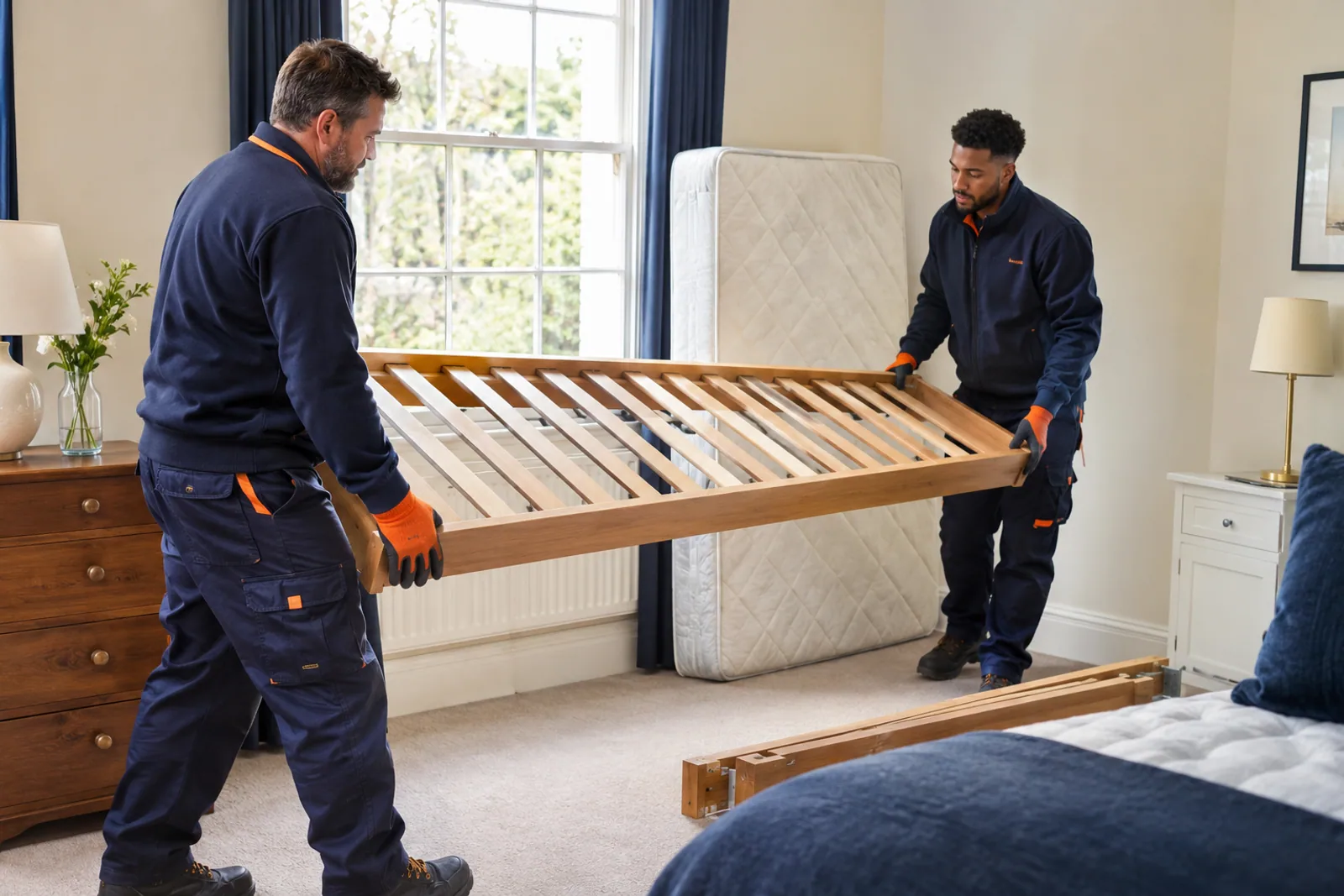
A customer can identify an old sofa and table clearly while overlooking the smaller belongings intended to accompany them. We discuss the whole proposed selection: furniture, contained possessions and loose items. That makes the removal understandable before the team arrives, instead of relying on a photograph of the most visible bulky pieces.
Our household waste removal service concerns the domestic contents described and accepted with the team. The customer decides which belongings leave and which remain. A collection from a living room, bedroom or store does not automatically include every possession held there. The access contact should recognise the same selection, including contents within furniture and containers, so the team can carry and load according to one clear description.
The furniture and smaller contents inventory
We identify bulky furniture by piece count and approximate size, then group smaller material meaningfully. A bag or box is useful for explaining quantity but does not replace its contents description. Electrical equipment, project material and anything uncertain are identified before being included in the household load.
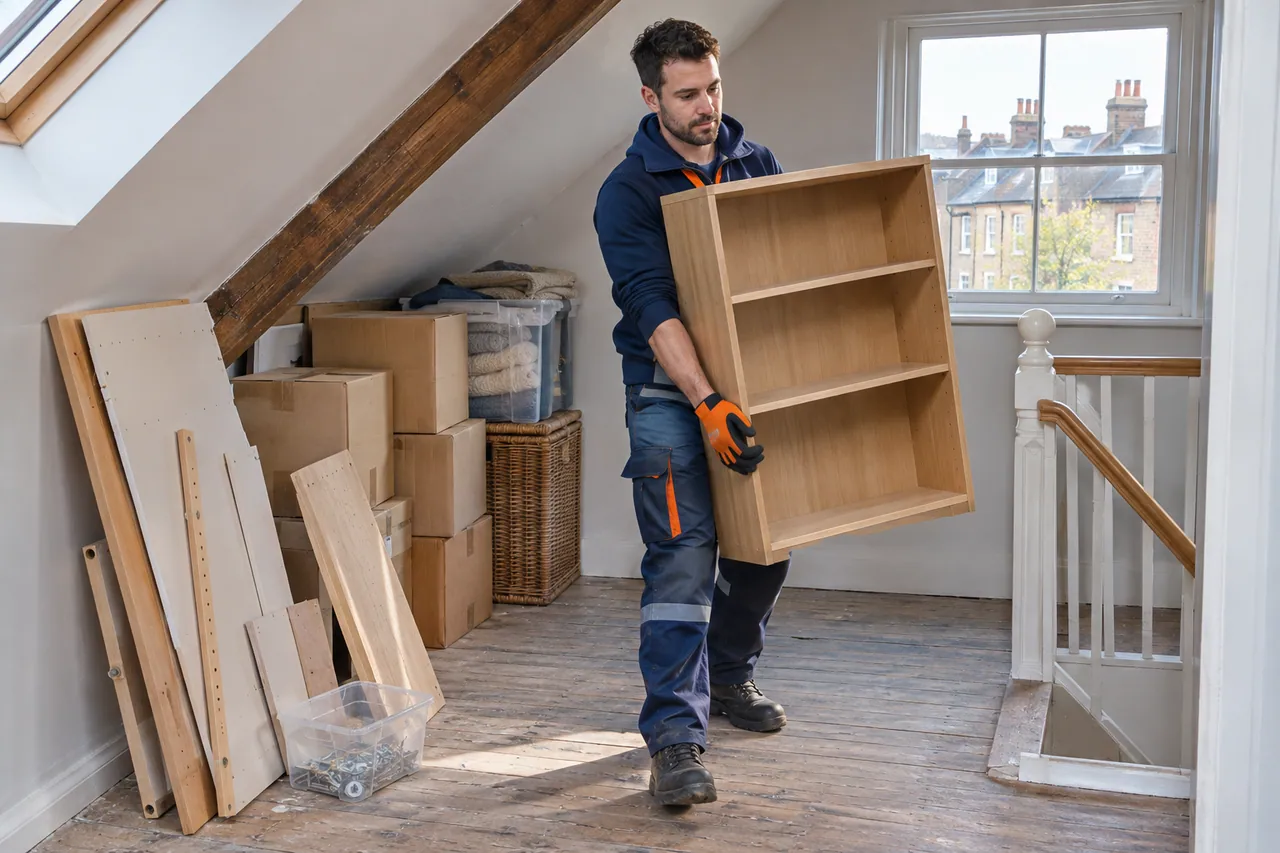
A room can remain partly furnished
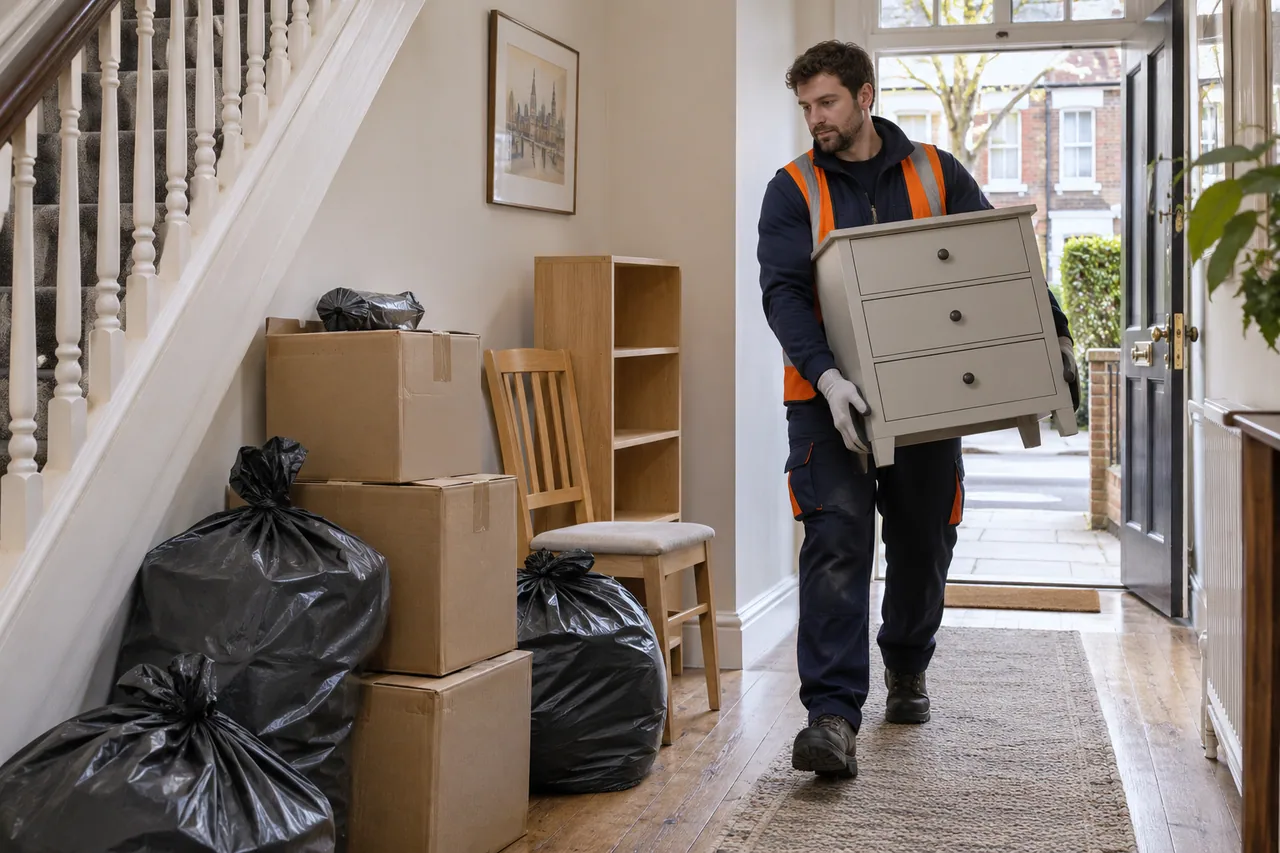
The selection may concern one sofa and several boxes while the rest of the property remains in use. We record those boundaries directly. Similar furniture and containers being retained should be distinguished so their appearance does not decide whether they are waste.
Where the enquiry extends to more rooms, our house clearance information explains the wider collection. The added contents still need identifying. The room count helps locate the work, but it does not show the amount, materials or bulky dimensions. We discuss those details together rather than use the number of rooms as an unlimited removal instruction or a complete basis for the quote.
Arranging the complete household load
The planning process connects the whole inventory with access. The team discusses acceptance of the material groups, the carrying and loading and an available collection. Any change to the selection or route is reviewed before it is treated as part of the arranged job.
Planning the Crayford visit

Describe the whole selection
Bulky furniture, smaller belongings and contained contents are identified, with retained possessions kept separate.

Clarify material and current form
Approximate amount, dimensions, assembly and any separate waste category explain the load actually presented.
At the agreed collection premises

Connect contents with the route
Collection rooms, floors, doors and practical loading arrangements inform the carrying work and quote.

Carry and remove the agreed load
The accepted contents are loaded and transported for appropriate onward handling after the scope and visit are confirmed.
The contents and carrying behind your Crayford enquiry.
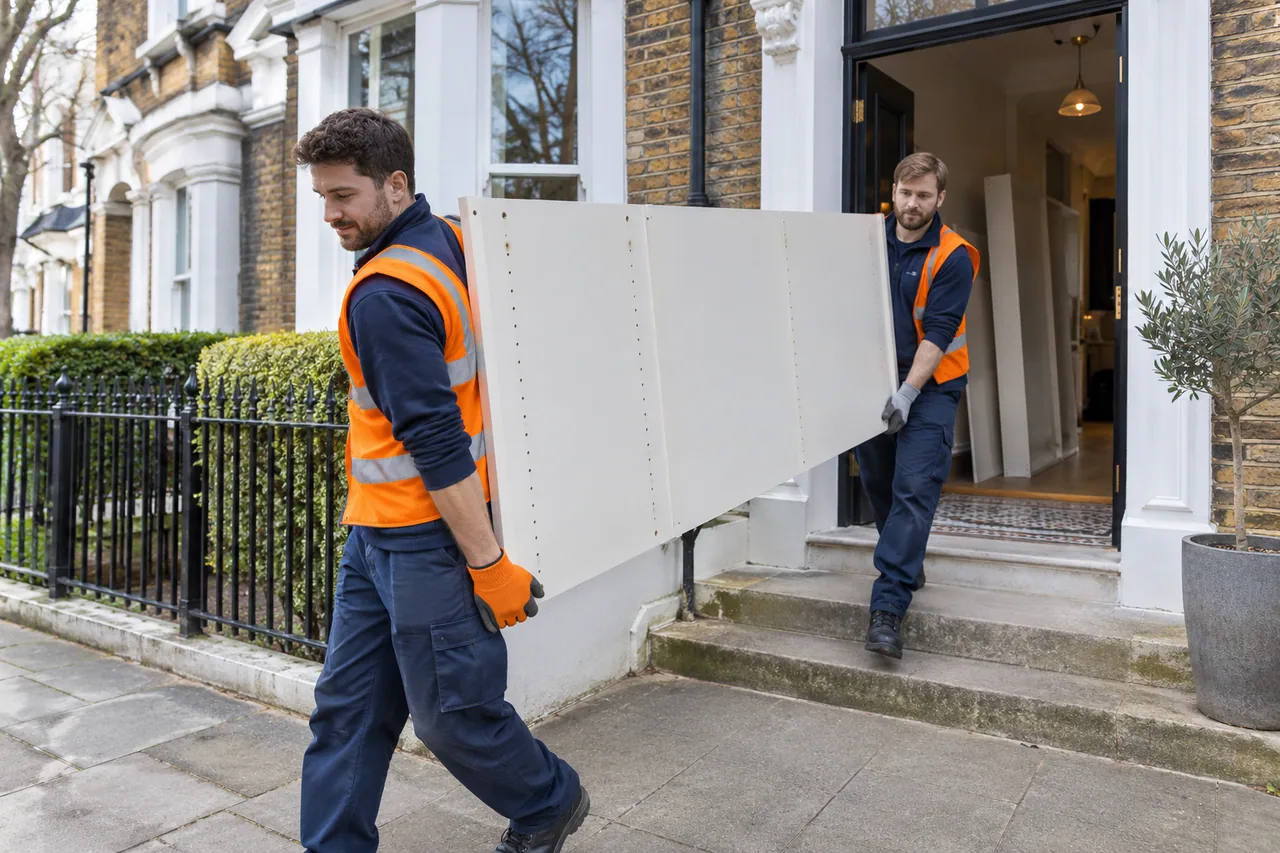
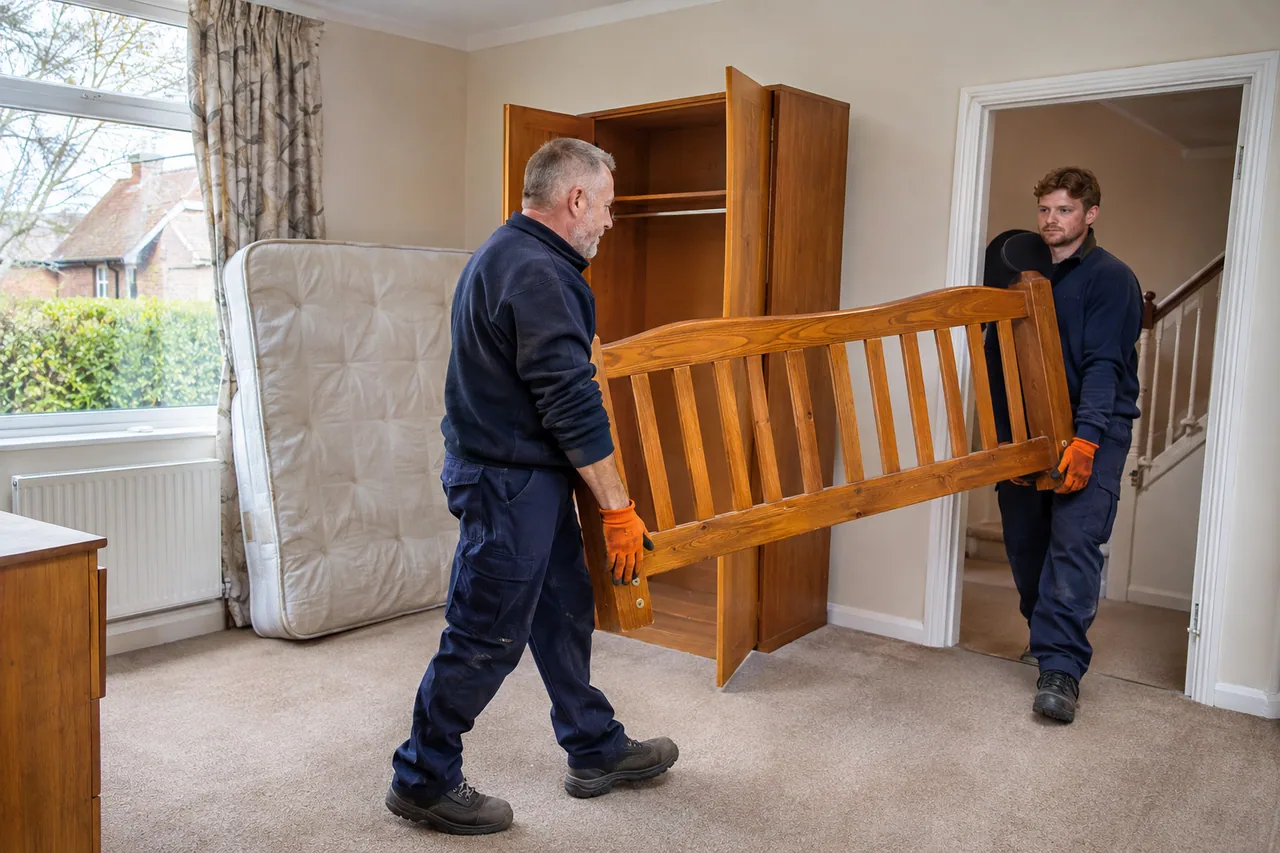
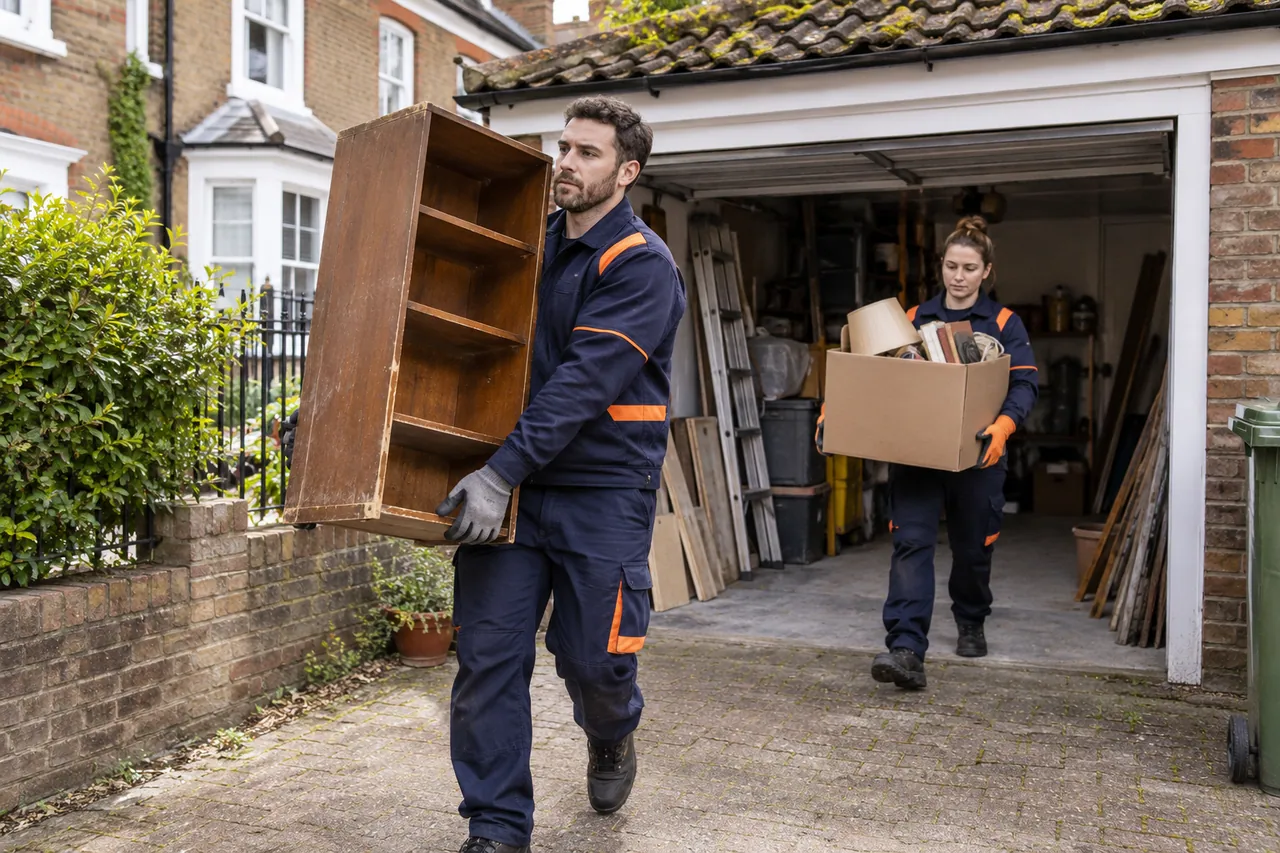
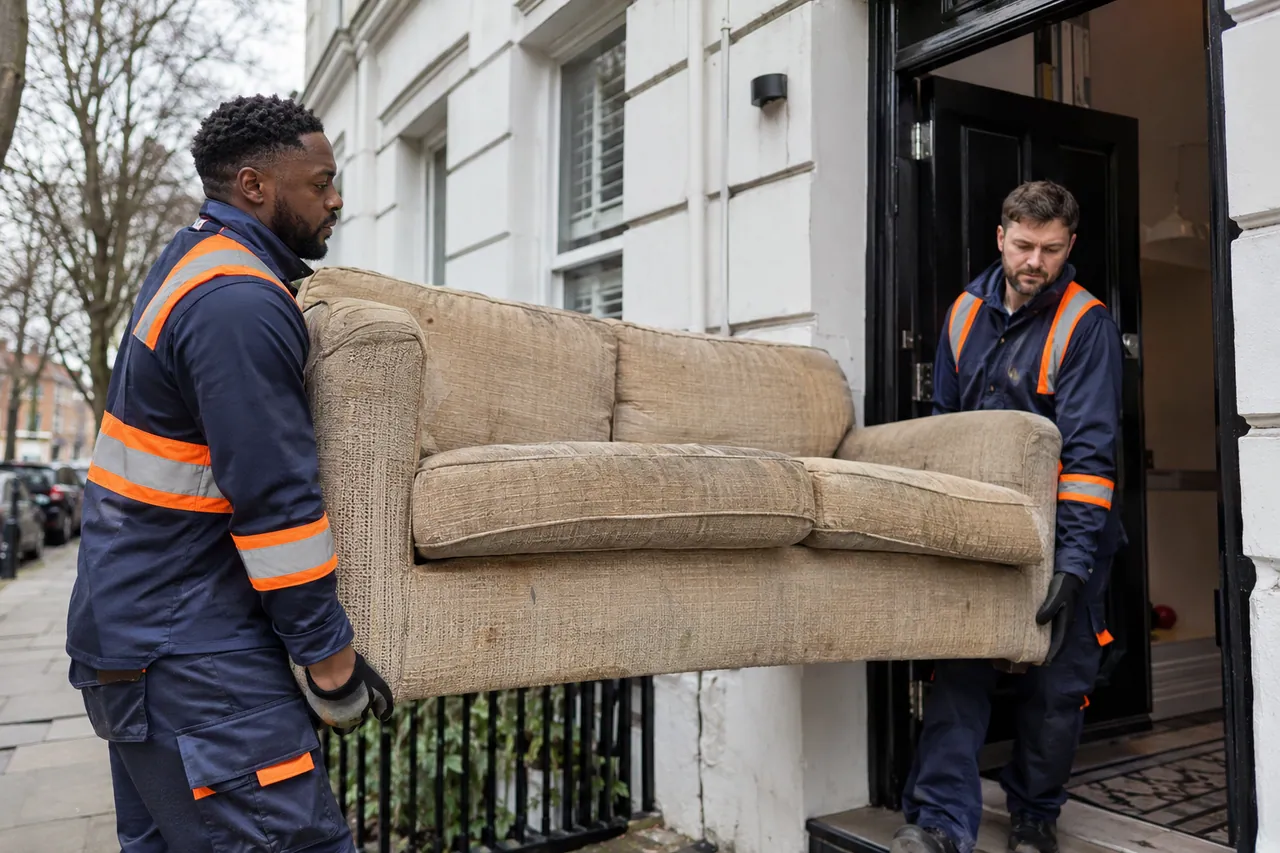
Furniture handling depends on the pieces presented
Our furniture disposal service considers a piece’s current assembly as well as its size. A complete unit and loose components are different descriptions. Any work needed before carrying, including dismantling or detachment, is clarified before agreement rather than silently included in a general household collection.
| Furniture detail | What the team discusses | What it explains about the work |
|---|---|---|
| Current assembly | Whether the furniture is whole, in sections or already separated. | The collection accounts for the physical pieces instead of only their original name. |
| Component count | Separate bases, panels or associated pieces leaving with the furniture. | Additional parts are not hidden within a vague description of one item. |
| Storage within furniture | Contents being retained and any belongings also selected for removal. | Furniture and possessions remain separately understood choices. |
| Attachment or extra task | Any connection or work needed before an item can move. | Carrying and loading are distinguished from an additional requirement needing clarification. |
The carrying route covers every collection point
We discuss where the contents are now held. Furniture upstairs, boxes in another room and material near an exit can involve different starting points within one visit. The route description includes relevant stairs or a usable lift, doorways and changes in level, with dimensions considered for the largest pieces.
| Route information | Detail connected to the contents | Why it belongs in the collection description |
|---|---|---|
| Rooms and floors | The location of each bulky item and contained group. | The team does not assume the entire load starts from one photographed pile. |
| Internal route | Doors, turns and stairs or lift where relevant. | Carrying is discussed for the material and furniture actually leaving. |
| Distance to loading | The route from the exit to a practical vehicle position. | Loading is connected with the premises rather than just the postcode. |
| Access contact | The person able to provide authorised entry and identify the selection. | The inventory remains clear between the enquiry and the visit. |
Crayford orientation and material handling
The mapped Crayford centre is in Bexley, with DA1 as an indicative nearby postal district. Give the complete postcode and premises address to locate the removal. We discuss availability and practical access for that property rather than infer an entrance or loading position from the neighbourhood reference.
The load is transported for appropriate onward handling after carrying and loading. Furniture, electrical devices, garden material and renovation contents are identified separately where proposed. Recycling or reuse is pursued where suitable to the materials and available route. Any requirement beyond physical removal, such as a particular equipment or document service, should be raised before agreement so the team can clarify the request rather than leave it implied within a mixed household load.
What the collection quote covers
We discuss the accepted amount and materials together with carrying and loading. The quote should reflect the complete selection, not only the largest furniture items. Additional contents, changed assembly or another collection area need reviewing with the team before being treated as included.
| Information used for the quote | What it explains about the removal | Change to clarify before the visit |
|---|---|---|
| Complete contents list | Furniture, smaller belongings and accepted material categories. | More possessions or another waste type added after the first enquiry. |
| Physical amount | Counts, approximate dimensions and photographs of the whole proposed load. | Extra containers, loose items or furniture omitted from the original description. |
| Present form | Assembly, loose components and any task requested before carrying. | Different presentation or additional work not previously discussed. |
| Access arrangements | Collection locations, route, practical loading and authorised contact. | Another room, revised route or timing requirement needing confirmation. |
Crayford: collection location and area map.
Map of Crayford
Load the interactive area map from OpenStreetMap. This connects your browser to the map provider.
Open map in a new tab ↗ © OpenStreetMap contributors
Area orientation only. This map does not mark a company office or a confirmed loading point.
Crayford collection questions
Does naming the sofa explain the smaller items beside it?
No. Identify the other belongings you also want removed, including their main materials and approximate amount. A photograph can show the group, while the description confirms the actual selection. The team discusses the complete load rather than assume every nearby item is unwanted or that the furniture count includes an unmentioned household accumulation.
Can some of the room remain furnished?
Yes, the enquiry can concern selected pieces and smaller contents while other furniture stays. Distinguish similar retained items and explain which belongings inside units or containers leave. The room name locates the work but is not permission to clear everything. The access contact should understand the same selection discussed with the team before carrying and loading begin.
What if a cupboard is unwanted but its contents are kept?
Explain that distinction in the inventory. We discuss the furniture’s dimensions, assembly and collection location while retained possessions remain outside the removal list. If any contents also leave, describe their materials and amount separately. A cupboard collection is not automatically an instruction to decide the waste status of everything stored within it.
Does a household load include electrical equipment automatically?
Devices need identifying by type and quantity before acceptance. Raise any requirement beyond physically removing them, rather than assume a technical or data service from their inclusion. The team discusses the equipment separately from ordinary mixed contents. Closed boxes or bags should not leave that category hidden inside a general household container count.
Can more boxes be added after the quote?
Describe the additional contents, quantity and location to the team before treating them as included. They can change the material mix and carrying as well as the amount. We review acceptance and any effect on the scope or quote so the collection is based on the updated load rather than an earlier description that no longer explains everything leaving.
Is DA1 enough to arrange the actual collection?
Give the full postcode and premises address, including useful entry and collection-location details. DA1 is an indicative nearby district around the Crayford reference, not a complete access instruction. The team discusses the actual route, authorised contact and available arrangements for the property. An area map or enquiry submission alone does not reserve a visit.
Arrange your Crayford collection.
Discuss the unwanted items, full postcode and route to the vehicle with the collection team.
Discuss your Crayford collection
Open our booking form to arrange your collection.
Continue to our booking form to confirm your items and contact details.