

ERITH COLLECTIONS
Rubbish Removal in Erith
We arrange rubbish collections from Erith properties around the contents you need taken away. This guide covers kitchen components already detached elsewhere: worktop sections, loose cupboard doors and panels, with their current form and the accompanying waste explained before carrying, loading and the collection quote are agreed.
Erith collections, explained.
Can loose kitchen components be discussed without booking a kitchen strip-out?
Yes. Describe the pieces already detached, their approximate dimensions and current location. We discuss removal of those proposed contents, distinguishing it from work to disconnect appliances, detach fitted units or alter the room. Any task beyond the stated carrying and loading is clarified separately before the service scope and an available visit are agreed.
What describes a worktop collection more accurately than the old kitchen size?
We need the sections actually leaving, their principal material, approximate dimensions and where they are held. A former room layout does not establish the present load. Explain loose doors, panels and other components separately, together with any mixed debris, so the team can discuss handling and acceptance for the physical objects proposed for removal.
The loose contents left by a kitchen project
The removal discussion starts with the objects selected for disposal, not with an assumption that the collection includes further work on the kitchen. A worktop section already lying loose, a stack of doors and a bag of project fragments can form different parts of one request. We identify their quantities and materials before discussing the work needed to take them from the collection locations to the vehicle.
Our refurbishment waste service provides the relevant context. The organiser distinguishes the unwanted components from new supplies, reusable parts and anything still forming part of the premises. That selection allows the customer and team to understand the same load, including objects that may have moved away from the original kitchen before the enquiry was made.
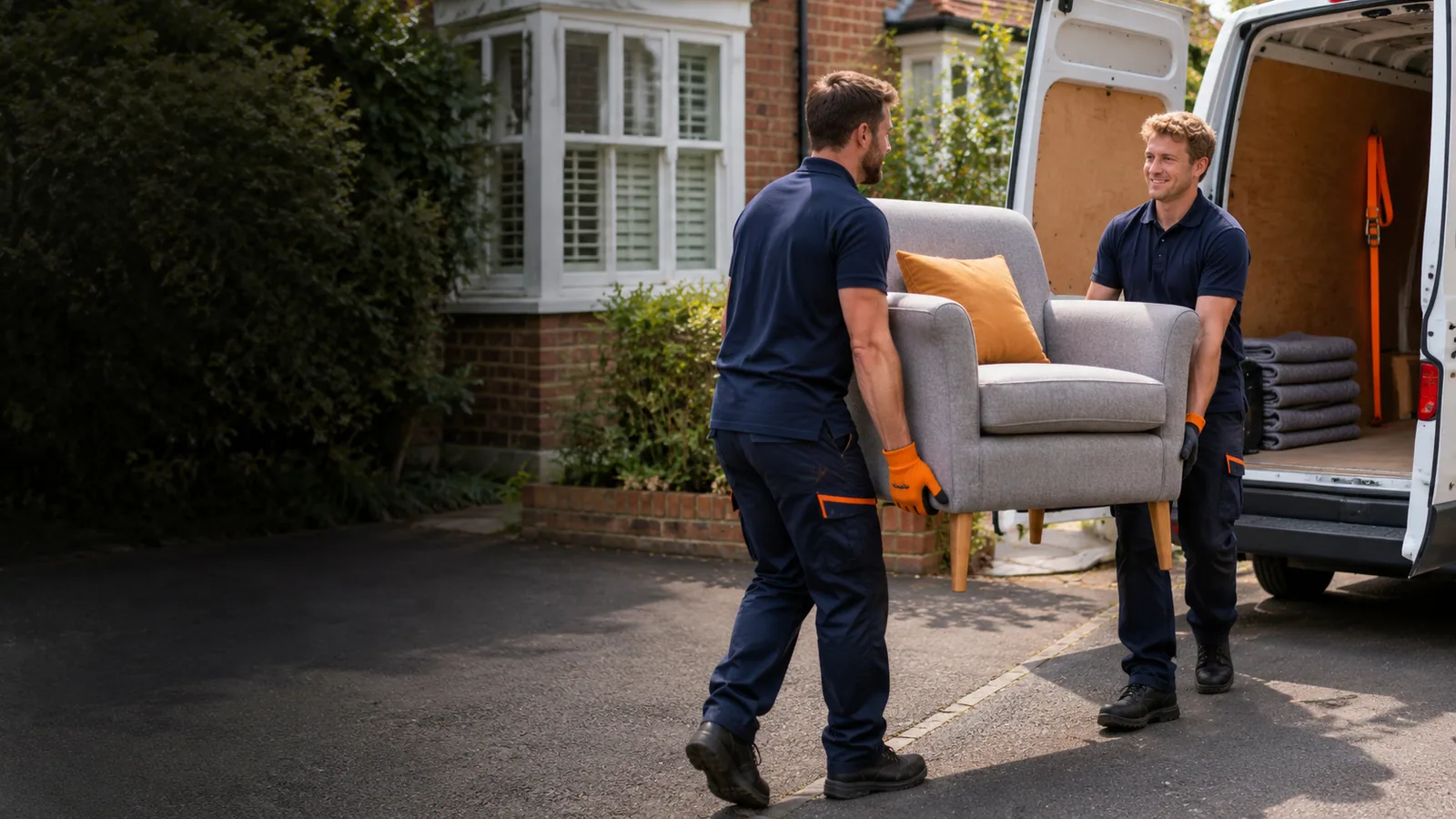
Worktop sections, doors and panels in their current form

An old fitted layout may now be several separate pieces. We discuss the material and dimensions of those pieces rather than rely on the name of the unit they once formed. Photographs showing the whole selection help explain quantity, particularly where panels are stacked or a large section conceals other contents. The organiser also identifies any additional material mixed into the pile.
Where attachment changes the service request
We establish whether the objects are loose or whether additional work is expected before they can be carried. Describing something as unwanted does not explain its attachment, connection or current form. If the organiser wants further units detached or equipment disconnected, that requirement is raised before a quote is confirmed. The team clarifies what is being requested rather than infer it from the word clearance.
| Present state of the item | Clarification made with the organiser | Scope kept clear |
|---|---|---|
| Already detached component | Its current material, size and location. | The collection concerns a loose object available for the described carrying work. |
| Partly assembled unit | The pieces present and any further work the organiser expects. | Dismantling is clarified rather than assumed from the original furniture name. |
| Component still attached | What is fixed and what additional task is being requested. | Work to the premises remains distinct from transport of detached waste. |
| Connected appliance nearby | Device type, whether it is included and any separate requirement. | The kitchen-component load does not silently include technical disconnection or other services. |
For household appliances or loose belongings requested with the project waste, our household waste removal information gives that broader service context. Electrical items retain their own description and acceptance discussion, rather than being treated as another cabinet component simply because they came from the same room.
Bulky sections and dense debris are described separately
A rigid worktop piece and a container of small fragments can create different handling questions. We discuss the principal material, dimensions and approximate quantity rather than use the floor area occupied by the pile as the only description. A compact dense group is not the same load as a larger collection of light panels or packaging.
The proposed removal may combine those objects, but the quote needs the complete selection. Explain anything unfamiliar, unusual or concealed within containers before acceptance is agreed. The team uses that information to discuss a suitable collection arrangement around the current load, with any additional work or material question clarified directly with the organiser.
| Material included with the components | Information supplied | Difference from a count of cupboard parts |
|---|---|---|
| Dense fragments | Principal materials, approximate amount and the containers or piles holding them. | Density and quantity are considered separately from broad lightweight pieces. |
| Timber or board offcuts | Form, lengths where relevant and the extent of the unwanted group. | Retained usable supplies remain distinct from the waste selected. |
| Packing material | Main materials, amount and any other contents inside boxes. | Packaging is identified rather than used as a label for concealed mixed waste. |
| Electrical objects | Device types, quantities and any additional requirement. | Equipment receives its own acceptance and scope discussion. |
The route from the component pile to loading
We discuss where the loose sections and other waste are held. They may be in the room where work took place or at another collection point, so the current location is part of the enquiry. Relevant doors, internal turns, floors, stairs or a usable lift and the entrance connect that starting point with the loading position. We use the actual property details rather than assume a standard Erith layout.
Long, wide or rigid pieces need their approximate dimensions considered against that route. Any expectation of cutting or altering material to make it fit is raised as an additional requirement before agreement. The removal should describe the objects and work actually presented, not rely on an unspoken plan to change the pieces or premises as part of carrying them away.
The collection organised around the described project contents
The team connects the material inventory with access before discussing acceptance, the quote and an available visit. The organiser explains which loose items leave and which nearby components stay. That arrangement is especially useful when the person providing entry did not make the original disposal decisions and needs an identifiable selection to present.


Identify detached components
We list worktop sections, doors, panels and other loose contents selected for removal, keeping retained supplies and items still installed separate.

Clarify form and material
Dimensions, current assembly and any dense, electrical or mixed contents are explained before acceptance and additional requirements are discussed.

Agree carrying and the visit
The route from the present collection locations to loading is considered with the quote, then an available collection is confirmed by the team.

Take away the stated load
The described components and other accepted material are carried, loaded and removed for appropriate onward handling according to their material streams.
The contents and carrying behind your Erith enquiry.




The material groups within the removal.
| Component group | Information discussed | What the removal description represents |
|---|---|---|
| Loose worktop sections | Principal material, approximate dimensions and number of sections. | The physical pieces selected to leave rather than the full original kitchen layout. |
| Detached cupboard doors | Quantity, size where relevant and their present collection location. | The doors actually included, kept separate from retained or newly supplied components. |
| Panels and unit parts | Construction, overall amount and whether parts are already separated. | The current load rather than an assumption that every former unit remains assembled. |
| Small project components | Main contents, approximate amount and how the loose parts are held. | An identifiable additional group rather than unknown material concealed among panels. |
Keeping the quote aligned with the renovation request
The amount, material and work at the premises inform the collection quote. If more loose components are added, or an item previously described as detached still needs work, the team reviews that change before treating it as included. Continuing renovation work may also produce further waste, which is described as an update rather than automatically added to the original removal.
| Change before collection | Updated information discussed | What is reviewed |
|---|---|---|
| More worktop sections added | Material, dimensions, quantity and location of the additional pieces. | The complete physical load and carrying requirement. |
| Extra bags or fragments | Main contents and approximate amount, including any unusual material. | Acceptance and the changed material mix rather than only a new bag count. |
| Another component still attached | What remains fixed and the additional task being requested. | Scope clarification before work beyond carrying and loading is considered agreed. |
| Waste moved elsewhere | The current starting point and remaining route to the vehicle. | The premises work described for the actual visit. |
The map centres on Erith in Bexley, with DA8 an indicative nearby postcode district. Give the full collection address and entry contact so availability can be discussed for the right premises. Our builders clearance page explains the related service where the request mainly concerns project debris, while each collection remains defined by its described contents and work.
Erith: collection location and area map.
Map of Erith
Load the interactive area map from OpenStreetMap. This connects your browser to the map provider.
Open map in a new tab ↗ © OpenStreetMap contributors
Area orientation only. This map does not mark a company office or a confirmed loading point.
Erith collection questions
Does a worktop collection include detaching another section still in place?
Raise that additional task before agreement. Explain which sections are already loose and which remain attached, with their current form and location. The team clarifies the scope rather than assume a quote for carrying detached material also includes further work to the kitchen or premises.
Can unwanted doors leave while new cabinet parts stay nearby?
Yes, make the selection identifiable. Describe the loose doors requested for removal and distinguish retained supplies or components. The organiser decides which objects are waste; the team does not infer that every similar part beside the pile is included simply because renovation work is taking place.
Is the former number of cupboards enough to describe the load?
We need the pieces actually present, their main materials and approximate amount. The original units may now be separate doors, panels or assembled sections. Describe those current objects, including any extra debris, so the collection quote reflects the physical load rather than an old room layout.
Can an appliance be added with the detached kitchen components?
It can be discussed separately with its device type, location and any additional requirement explained. Electrical equipment remains a distinct part of the proposed load. A component-removal quote does not itself establish acceptance of an appliance or include technical work such as disconnection without clarification.
What if a large section needs changing to pass through the route?
Explain its dimensions and the route, together with any cutting, dismantling or alteration you expect. Work beyond carrying and loading needs express clarification before agreement. The team discusses the request as presented rather than assume the item or premises will be changed as part of ordinary collection.
Can later renovation debris be added to the same removal?
Tell the team the new material, quantity and location before considering it included. More waste or a different material stream can alter acceptance and the collection work. The quote concerns the described load and is reviewed against updates rather than treated as unlimited removal throughout an ongoing project.
Arrange your Erith collection.
Discuss the unwanted items, full postcode and route to the vehicle with the collection team.
Discuss your Erith collection
Open our booking form to arrange your collection.
Continue to our booking form to confirm your items and contact details.