
FELTHAM COLLECTIONS
Rubbish Removal in Feltham
Our London rubbish removal service covers enquiries from Feltham households and businesses. We carry and take away the contents described in the collection arrangement. A domestic clearance can change as furniture is retained, moved elsewhere or added to the removal, so the team needs a current picture of the load. We discuss what remains to leave, its materials and the route to loading before confirming the quote and available visit.

Feltham collections, explained.
Can a household arrange one collection after its choices have changed?
Give the team the furniture and loose material which now need removal, including their present locations. Explain anything in an earlier description which no longer leaves. We review that current load, its acceptance and carrying requirements before confirming the scope and price, rather than rely on an old room count or photograph of possessions which have since gone elsewhere.
What information should the person meeting the team have?
They should be able to identify the contents in the current collection arrangement and distinguish the possessions staying. The organiser and entry contact need the same list, including the rooms or stores involved. The team can then carry the described load without asking someone to make fresh decisions about other belongings or treating access as permission to empty every remaining space.
The contents included in your Feltham enquiry.
| What changed during the household clearance | Update the team needs | Part of the collection being reviewed |
|---|---|---|
| Furniture has gone elsewhere | Which pieces no longer need removal. | The remaining furniture list and physical amount. |
| More contents are unwanted | Their main materials, quantity and locations. | Acceptance and the added work. |
| The same load has moved | Its current room, floor or storage point. | Carrying and the practical loading route. |
| A possession will now be kept | The object or group excluded from the removal. | A clear instruction for the entry contact and team. |
The remaining load is the job to describe

A house may be partly cleared when the rubbish enquiry is finalised. A table shown in the first pictures might have been kept for another address, while boxes discovered later still need taking away. We discuss what is now present and unwanted.
Our house clearance service covers a limited domestic selection or a larger room-by-room load. In either case, the work is defined by the furniture, smaller belongings and material groups included. We connect those with their current positions so the customer can understand the carrying, loading and price for the collection being arranged now.
Separate a change of selection from a change of position
A retained sofa reduces the furniture list. Moving the same sofa downstairs changes its starting point. Adding bags from a store can change the material mix and carrying as well as the amount. These are different updates, even if the customer still describes the job as a house clearance.
Tell the team what has changed and supply the present contents description. An updated image can support it, while the customer explains closed containers, retained pieces and material outside the view. There is no need for the team to infer the new job from several conflicting versions of the same room photograph.

What the company records for the current quote
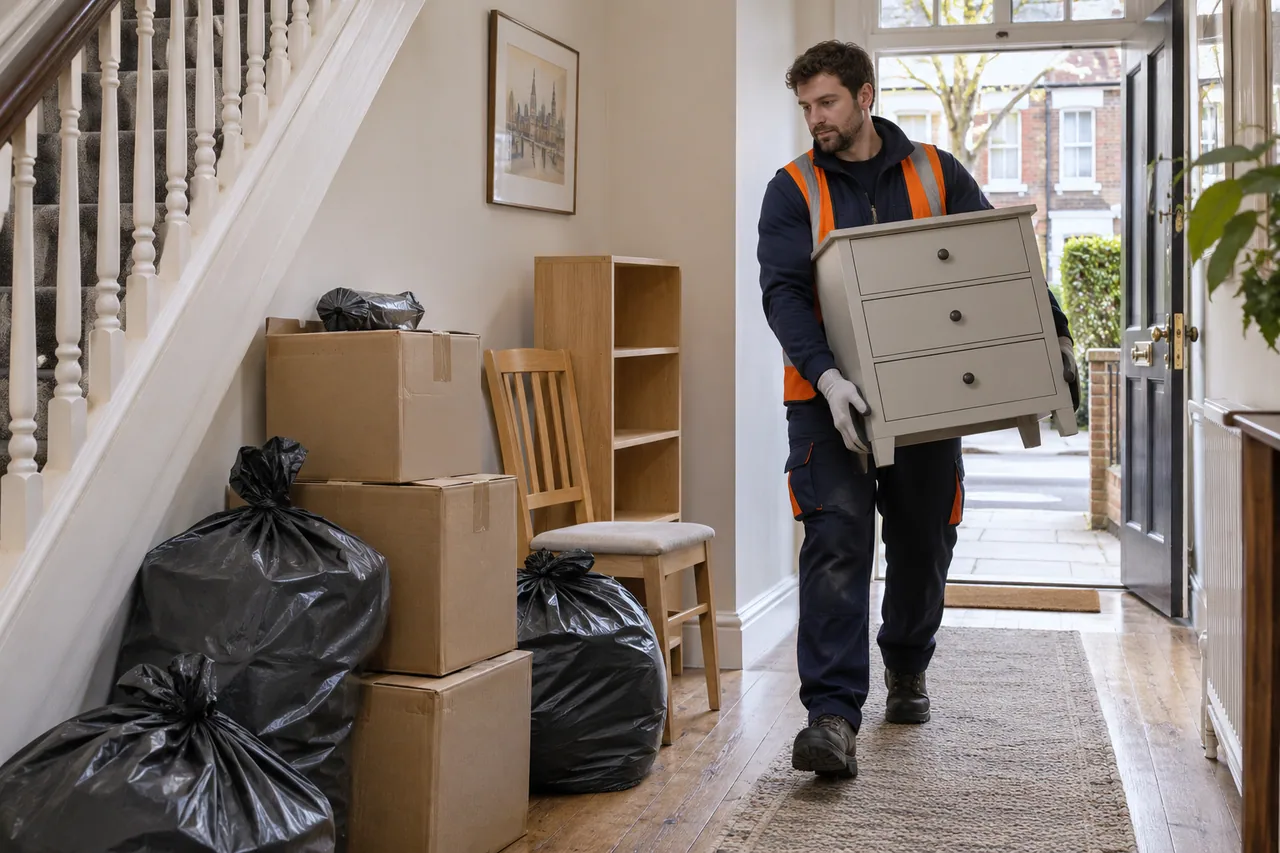
The description combines bulky pieces with smaller contents. Furniture needs counts, approximate dimensions and current assembly. Bags and boxes need their main materials and approximate amount explained. A room’s name locates the contents but does not establish how much it holds or whether everything inside is leaving.
The furniture disposal information is relevant where most of the request concerns large pieces. Explain extra work needed before movement while the scope is being discussed. The quote should be connected with the form which will be presented, rather than an earlier assembled item or an assumed preparation task which has never been raised with the team.
| Information in the current load description | What it tells us | Example of something to clarify |
|---|---|---|
| Furniture inventory | The bulky pieces and components leaving. | A loose base or panel kept away from the main item. |
| Smaller contents | Main materials and approximate amounts. | Closed containers holding more than ordinary belongings. |
| Current form | Assembly and any connections or extra task. | Furniture requiring work before it can be carried. |
| Collection points | The rooms, floors and stores contributing the load. | A separate area not shown in the first pictures. |
From the current description to removal
The team reviews the load, clarifies questions and explains the quote. An available visit is confirmed with the person arranging entry. On that visit, the contents included in the arrangement are carried from their described positions, loaded and transported for onward handling. Additional requirements are discussed before they become part of the job.
Planning the Feltham visit

Bring the remaining contents together in one description
The household identifies what still leaves, what stays and what has already gone elsewhere, with each collection location explained.

Resolve material and carrying questions
The team discusses amounts, furniture form, container contents and the practical route, including any extra work requested before agreement.
At the agreed collection premises

Confirm the scope, price and visit
The collection arrangement describes the current load and work, with available attendance confirmed through the contact providing access.

Carry and remove the listed contents
The included furniture and material are moved to loading and taken away for appropriate onward handling without expanding the removal to other possessions.
The contents and carrying behind your Feltham enquiry.
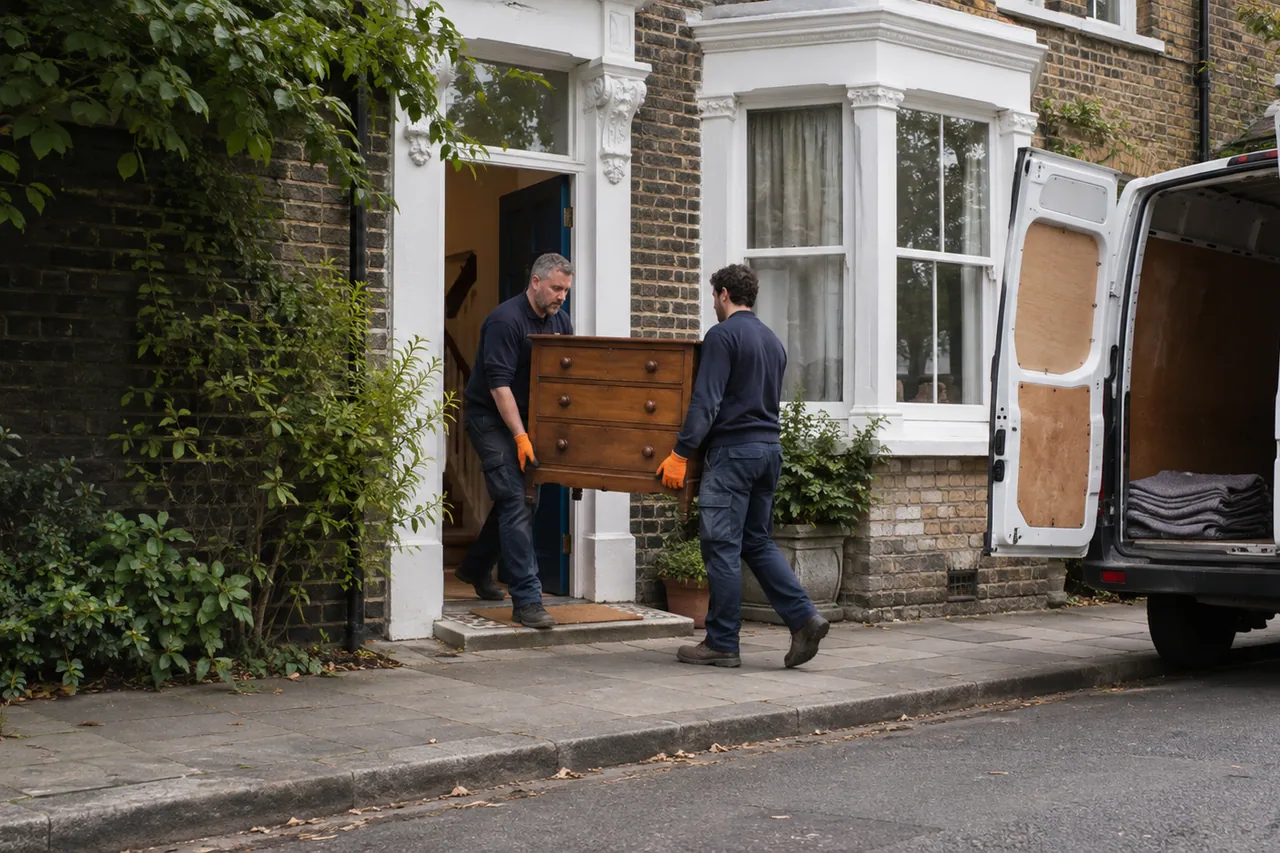

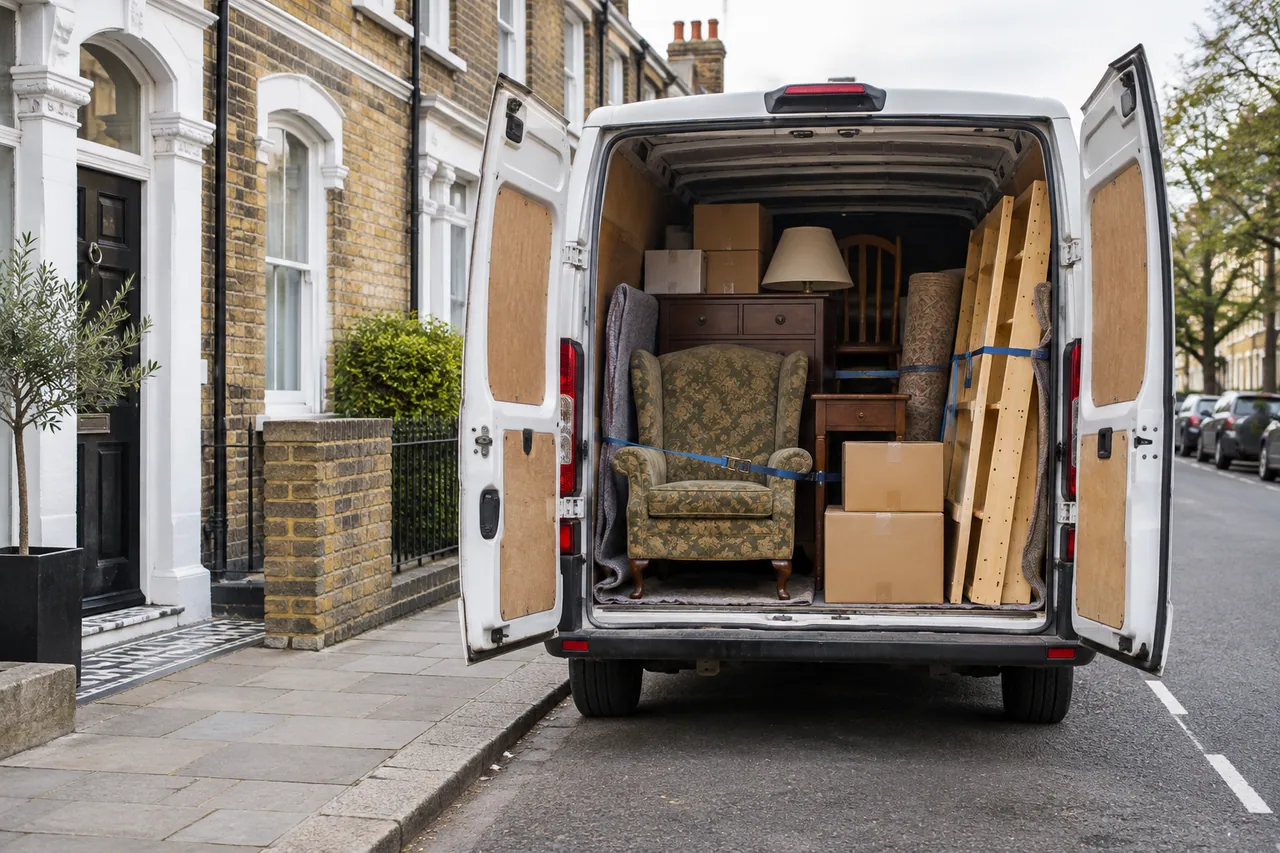
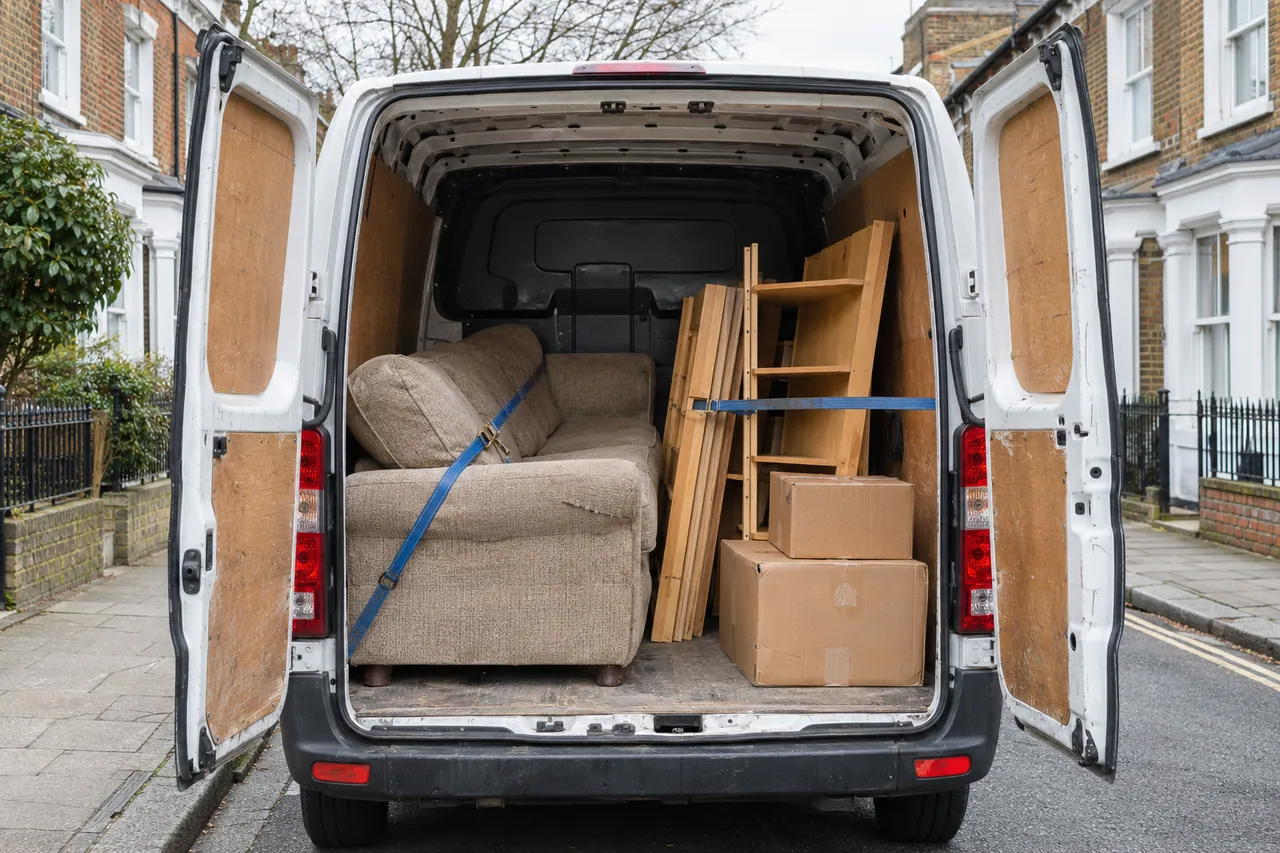
Acceptance follows the material, not the property label
A household load can contain several waste categories. We discuss the contents themselves, including anything electrical, project-related or uncertain. A bag in a domestic room does not establish its contents by appearance, and a furniture enquiry should not conceal an unexplained loose load.
Our household waste collection service covers the domestic materials discussed with the team. The customer decides which possessions leave and identifies those retained. A request involving equipment, information or another additional service is raised expressly before agreement, so carrying and transport are not confused with an unconfirmed technical or destruction process.
| Material raised in the enquiry | What the customer describes | What is resolved before collection |
|---|---|---|
| Household belongings | Main contents, amount and where they stand. | The loose portion of the job beyond the furniture. |
| Electrical equipment | Device types and any additional requirement. | Acceptance and the scope of the physical collection. |
| Project or outdoor contents | Actual materials and approximate quantities. | Whether those groups join the proposed load and on what scope. |
| Unfamiliar containers | Known contents and any uncertainty. | A material question rather than an assumption from storage location. |
The entry contact connects the list with the property
We also establish the practical route from each collection point. Doors, turns, floor changes, stairs or a usable lift are discussed with the dimensions and form of the contents. The route continues to a practical vehicle loading position, including the distance from the rooms or stores. The arrangements come from the individual property, not a standard access assumption about Feltham.
What to compare with the collection arrangement
The customer should be able to recognise the load covered by the price and explain any difference before attendance. A changing household requirement can still be organised clearly; it simply needs a current scope. The earlier quote is not an unlimited schedule of removals or an allowance for every possession later found at the address.
Feltham location and what follows loading
The geographic reference is Feltham High Street within Hounslow, with TW13 an indicative nearby postcode district. Give the full address to locate the collection and discuss availability. The area map does not identify the remaining rooms, storage points or entrance route; those details come from the contact arranging removal at the premises.
The waste is transported for appropriate onward handling, with recycling or reuse pursued where suitable to the materials and available route. A particular record or further service required by the customer can be raised before the collection arrangement is confirmed.
Feltham: collection location and area map.
Map of Feltham
Load the interactive area map from OpenStreetMap. This connects your browser to the map provider.
Open map in a new tab ↗ © OpenStreetMap contributors
Area orientation only. This map does not mark a company office or a confirmed loading point.
Feltham collection questions
Some furniture in the first photographs has gone elsewhere. What now?
Tell the team which pieces no longer need collection and what remains. Include any change in the smaller contents or their locations. The quote and visit can then be reviewed against the current job rather than a picture of a larger earlier selection. The contact providing entry should have that same updated description.
Can we leave entire rooms outside the collection?
Identify the rooms or stores contributing contents and distinguish areas which are not part of the request. Within each included area, describe the furniture and material leaving. A property clearance label does not require every room to be emptied. The team carries the load covered by the arrangement rather than decide what should be removed from other spaces.
What should we do when a new box of rubbish is found?
Describe its main contents, approximate amount and current position to the team before treating it as included. It may add a different material category or another carrying point as well as quantity. We review the changed requirement so the scope and price explain the collection now being requested rather than an earlier incomplete load.
Does the person with the key decide what else can be added?
The collection needs the customer’s current removal selection and any changes discussed with the team. The entry contact identifies that load at the premises. Access alone should not turn the job into an unlimited decision about other possessions. New contents may need acceptance and a price review, so raise additions before relying on the existing arrangement.
Can a previously agreed furniture item change form before attendance?
Update the team if it is separated, reassembled or moved. Explain the components leaving and any extra work still requested. The furniture’s name may stay the same while the physical load or carrying differs. We discuss the presentation which will actually be available, keeping the quote tied to the current task.
Does a changing clearance request create several visits at one fixed price?
The team confirms the load, work, quote and available attendance being arranged. If the household needs another collection later, discuss that requirement separately. The current scope is not an automatic series of visits or an unlimited disposal allowance. Keeping the present inventory clear allows the customer and team to understand what this collection covers.
Arrange your Feltham collection.
Discuss the unwanted items, full postcode and route to the vehicle with the collection team.
Discuss your Feltham collection
Open our booking form to arrange your collection.
Continue to our booking form to confirm your items and contact details.