
PECKHAM COLLECTIONS
Rubbish Removal in Peckham
We arrange removal of agreed loose doors, detached joinery components and other identified waste from Peckham addresses. The enquiry describes the physical pieces already presented for collection, separating them from retained replacements and installed fittings. We discuss material acceptance, carrying and loading before explaining the quote and confirming an available visit for the property.

Discuss your Peckham collection
Open our booking form to arrange your collection.
Continue to our booking form to confirm your items and contact details.
Peckham collections, explained.
Can already detached doors be included in a Peckham collection?
Describe the door leaves, separate frame pieces and other components being discarded, including construction, condition and approximate dimensions. We discuss acceptance and the route to loading for those loose items. A collection of detached material is different from an instruction to remove installed doors or carry out alterations to the premises before loading.
How do we distinguish waste joinery from replacement materials?
The customer identifies the loose pieces leaving and the new or reusable components staying. Similar panels or doors can have different purposes, so appearance alone does not establish the selection. We connect the unwanted components with their collection position and material description before agreeing the scope, rather than deciding which parts seem useful on arrival.
The contents included in your Peckham enquiry.
| Loose component | What is described in the enquiry | How the load is defined |
|---|---|---|
| Detached door leaves | Number, approximate dimensions, construction and any glazing or condition needing discussion. | The physical leaves are identified rather than treated as an unspecified quantity of building waste. |
| Frame sections | The pieces already separate, their approximate lengths and collection position. | Carrying concerns those components rather than an assumed instruction to remove frames from the building. |
| Cabinet or joinery panels | Material, approximate sizes and whether components are already apart. | The load reflects the panels as presented, with installed or retained units outside the selection. |
| Trim and loose fittings | The main materials and approximate quantity accompanying the larger pieces. | Additional components are brought into the scope instead of hidden within the name of the original fitting. |
Collecting loose components after they have been removed
Our Peckham service can collect a defined load of detached material without becoming part of the work which created it. The customer describes the loose doors, panels or trim already being proposed for removal. Installed components and any further alteration work remain a separate question to clarify. This keeps the collection instruction grounded in the contents presented rather than an assumed strip-out or demolition task.
The refurbishment waste service explains a wider project-load enquiry. Where the waste is mainly loose joinery, we identify the pieces individually or by a clear component group. A door leaf, long frame section and short trim pieces differ in size even where they came from the same fitting. The load description needs to reflect what will actually be carried and loaded.

Door leaves, frame pieces and loose panels

Photographs show the quantity and current position, while the description explains construction and components not obvious in a stacked view. We ask about glazing or other features needing clarification and distinguish loose hardware if it is also being discarded. The collection does not depend on an assumption that every item described as a door or panel has the same material or condition.
Waste status is a customer selection
The person arranging collection identifies the discarded material. A replacement door, reusable panel and unwanted old component may stand together during work at a property. We distinguish those groups instead of deciding that everything near the waste pile should leave. The same applies to loose hardware or trim retained for another purpose: association with a discarded fitting does not automatically include it in the load.
If more components are removed before the visit, explain the additions to the team. The collection quote describes a particular load and does not automatically expand with every stage of continuing work. We can review the new pieces, material mix and carrying arrangement before the removal is treated as confirmed. This avoids relying on an earlier photograph which no longer represents what stands at the premises.

| Component selection | What the contact confirms | Boundary of the collection |
|---|---|---|
| Old pieces leave | The discarded door leaves, panels and associated loose material. | New or reusable components remain outside the removal even if stored nearby. |
| Some matching parts stay | The retained panels, hardware or other components and how they differ from the waste. | The team follows the selection rather than infer that every similar part belongs to the same disposal load. |
| Installed fitting remains | What is already loose and what still forms part of the building. | Carrying and loading do not silently include detaching or altering the retained fitting. |
| Additional work produces waste | The further components and materials now proposed for removal. | Acceptance, amount and quotation are reviewed before the original collection grows. |
Moving long components through the property
We connect the component dimensions with their route to transport. Long frame pieces and broad door leaves may follow the same exit but present different shapes. The enquiry describes where they stand, relevant internal doors or turns and any floor changes. We consider the material in its current form rather than presume that further cutting or dismantling will be carried out during collection.
The route continues to the practical vehicle-loading position. Explain that connection and any access arrangements needed to reach the collection area. These details refer to the actual property rather than a standard assumption about Peckham premises. If the components are moved or presented differently before attendance, the current arrangement needs bringing into the scope so the price continues to describe the work requested.
How the loose-material collection is arranged
The customer’s description identifies the components, their condition and the selection leaving the premises. The team clarifies acceptance and connects the load with access, carrying and transport. We explain the quotation and confirm an available visit with the entry contact. Further material or work outside the original description is discussed before it becomes part of the collection instruction.

Identify detached components
Door leaves, frame sections, panels and loose fittings are described separately from installed elements and reusable replacement materials.

Clarify materials and condition
The team reviews construction, glazing or other features needing discussion and the approximate quantity proposed for removal.

Connect the pieces with loading
Dimensions, collection position, the property route and practical vehicle access establish the carrying work described in the quote.

Carry and remove the selection
The confirmed loose load is loaded for transport and appropriate onward handling without extending the instruction to further building work.
The contents and carrying behind your Peckham enquiry.
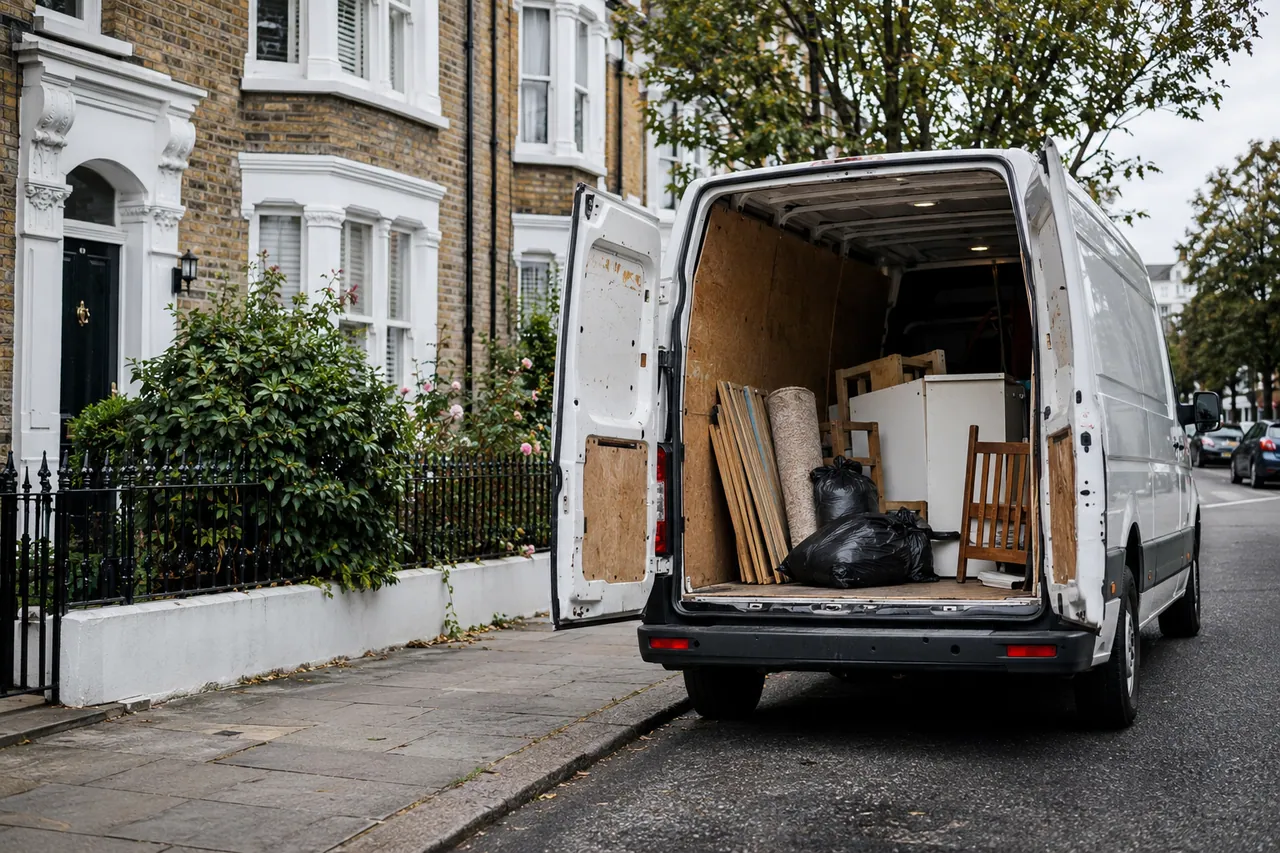
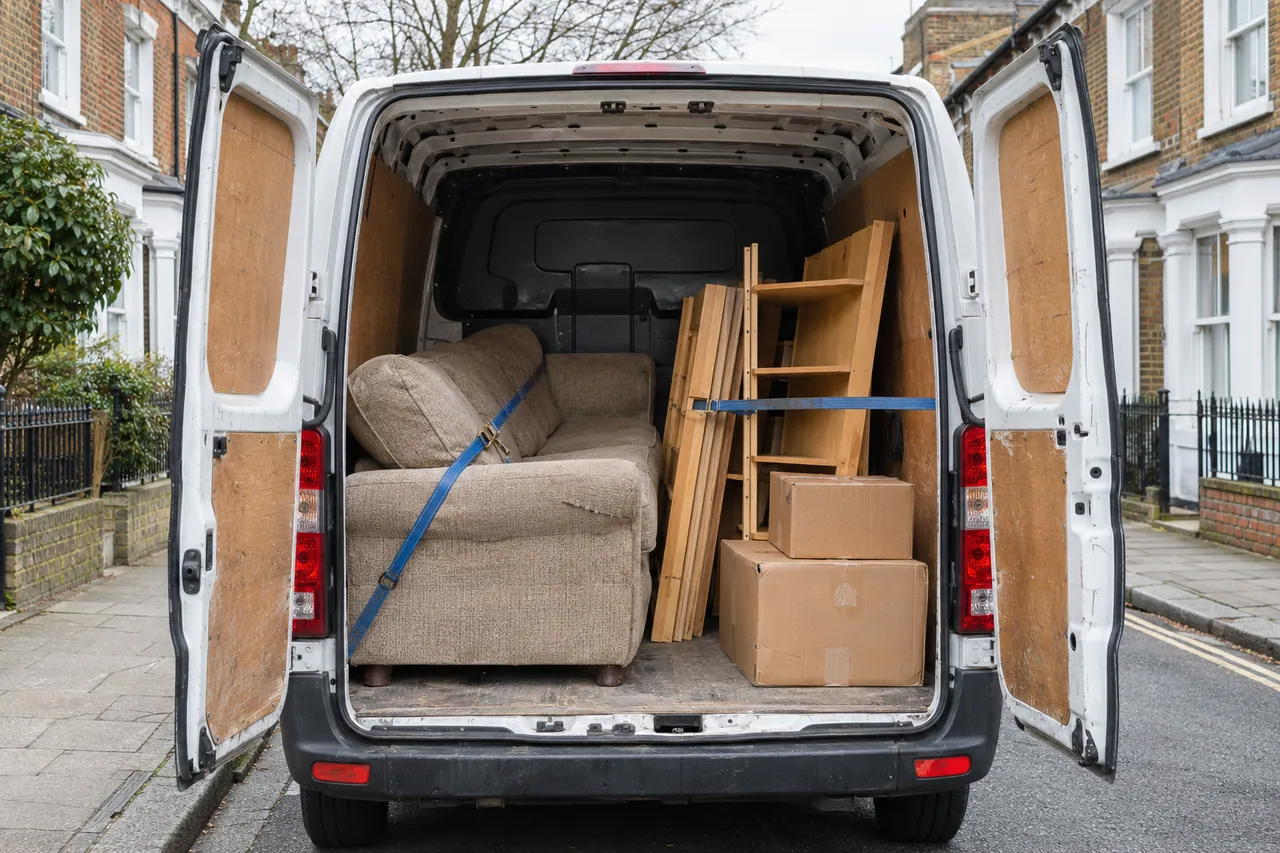


Material differences within a joinery load
We identify construction rather than give every component one presumed waste category. Timber-based panels, mixed fittings and glazed sections can need different acceptance discussions. Dense fragments or electrical contents arising from the same project are also identified separately. Our builders clearance page describes a broader construction-waste enquiry where the loose joinery is only one material group within the load.
| Material detail | Information supplied before collection | What the scope establishes |
|---|---|---|
| Timber or board components | Approximate amount, sizes and the actual pieces being discarded. | The collection is described as a physical loose load rather than the former size of a fitted unit. |
| Glazed or mixed-construction sections | The relevant construction and present condition needing clarification. | Acceptance and handling are discussed for those components rather than inferred from a general door description. |
| Separate fittings or hardware | The materials and quantity accompanying the larger pieces. | Associated small parts are included explicitly, with retained hardware kept outside the selection. |
| Other project waste | Material types and approximate quantities beyond the joinery components. | Separate streams are considered before they join the load instead of being absorbed into an unexplained mixed pile. |
Peckham location and the collection price
The GLA town-centre reference used here is Peckham within Southwark, with SE15 as an indicative district around the mapped point. We use the full postcode and address to locate the actual collection and discuss availability. The map gives geographical orientation; the entry, component position and route to loading are established directly for the property involved.
The quotation considers the amount, construction and physical form of the material together with carrying and loading. A group of long frame sections differs from several broad door leaves, even if both arose from replacing one set of fittings. We describe that work before attendance rather than price only from the project name or assume that all later waste generated by it is included.
| Quotation detail | What is recorded | When the scope needs reviewing |
|---|---|---|
| Components and quantities | Door leaves, panels, frame sections and other loose pieces selected. | Extra material changes the physical load rather than forms an unlimited continuation of the original project allowance. |
| Construction and condition | The principal materials and features needing acceptance clarification. | A new material or changed condition may require a further discussion before collection. |
| Presentation | Current dimensions, assembly and the position of the pieces. | Further dismantling, relocation or changed form alters the earlier handling description. |
| Access and attendance | The route to transport and an available visit with the entry contact. | Different collection locations or loading arrangements need discussing before the earlier quote is relied on. |
Peckham: collection location and area map.
Map of Peckham
Load the interactive area map from OpenStreetMap. This connects your browser to the map provider.
Open map in a new tab ↗ © OpenStreetMap contributors
Area orientation only. This map does not mark a company office or a confirmed loading point.
Peckham collection questions
Does collecting detached doors include removing other doors still installed?
No additional work should be inferred from the loose-material collection. Describe the detached leaves being discarded and clarify any other requirements before the visit. The scope concerns the components presented for carrying and loading, not an automatic instruction to alter fittings still forming part of the premises.
Should replacement panels be kept separate from the waste description?
Identify which materials remain and which pieces leave, particularly where they look similar. The customer confirms waste status rather than leaving the team to judge which board or panel appears reusable. That keeps new supplies and retained components outside the removal instruction.
Do frame pieces count only by the number of doorways they came from?
Describe the actual pieces and approximate lengths. The original fitting does not show the physical form now presented for collection. We connect those components with their location and carrying route rather than estimate the load only from how many doorways or units were involved in the project.
What if a loose door includes glazing?
Explain the construction and its present condition when requesting the collection. The team clarifies acceptance and handling for the actual component. A general door-removal label should not conceal glazing, mixed materials or other features which are relevant to the load being carried and transported.
Can other debris be placed beside the joinery before attendance?
Discuss the additional material types and quantities with the team first. They may need a separate acceptance or price review, even if produced by the same project. The quotation describes the agreed selection rather than every waste stream subsequently gathered at the same collection position.
Does removal include cutting components to suit the route?
Any additional work needs clarification before the visit. Describe the pieces in their current dimensions and explain the available route to loading. The carrying and loading instruction should not depend on an assumption that components or the premises will be altered during the collection.
Arrange your Peckham collection.
Discuss the unwanted items, full postcode and route to the vehicle with the collection team.